Viser opslag med etiketten Yellow-Diarrhea. Vis alle opslag

Causes of Yellow Diarrhea

Yellow stool can be caused with gallbladder disease. If the liver tests are "elevated", you may ask if the bilirubin level was elevated as well. If yes, that may be a clarification for yellow color stools.
  • Blockages in the common bile duct: As for initial evaluation, an abdominal ultrasound is done for explanation of causes. This test may determine if there are any blockages in the common bile duct as shown by any dilation.
  • Hepatitis: Through blood tests evaluation, the possibility of Hepatitis can be determined.
  • Chronic Diarrhea: A blood test can be done to rule out chronic diarrhea caused by celiac disease.
  • Colon Cancer: If your health care provider finds any hint of colon cancer he can consider a colonoscopy or sigmoidoscopy for further evaluation.
  • Followup with your personal physician is essential.
The above information is for patient education only and does not replace for medical advice by a registered health care provider. Please see your personal physician for further evaluation of your individual case.

Yellow Stools Pattern in Young Babies

Baby Stool Patterns have Typical Characteristics and Time Frame. Thus Stool Patterns are helpful in diagnosing the cause of problem. Here are some interpretation of stool pattern and their time frame of occurrence in young babies:
  • Meconium Stools are Thick, tarry, dark green and occurs from Birth and continues for 2 days. 
  • Normal Loose stools are green-brown to yellow-brown, seedy and continue from 2–5 days of birth.
  • Breastfed Babies have stool pattern of Mushy, golden-yellow, often after each feeding, odor similar to sour milk and occurs after 5 days of birth.
  • Formula-fed Firm have have pasty, yellow-brown, strong odor occurring after 5 days
=====================================================================
Dutch Language
Baby Kruk Patronen hebben Typische kenmerken en Time Frame. Zo Kruk Patronen zijn nuttig bij de diagnose van de oorzaak van het probleem. Hier zijn een interpretatie van de ontlasting patroon en hun tijdsbestek van voorkomen bij jonge baby's:
  • Meconium Krukken zijn dik, teerachtige, donker groen en treedt vanaf de geboorte en blijft voor 2 dagen.
  • Normaal Dunne ontlasting zijn groen-bruin tot geel-bruin, louche en blijven 2-5 dagen na de geboorte.
  • Borstvoeding hebben ontlasting patroon van Slappe, goudgele, vaak na elke voeding, geur die vergelijkbaar zijn met zure melk en komt na 5 dagen van de geboorte.
  • Formule-fed Firm hebben hebben pasteuze, geel-bruin, sterke geur die zich na 5 dagen
================================================
German language
Baby Hocker Patterns haben Typische Merkmale und Time Frame. So Hocker Muster sind bei der Diagnose der Ursache des Problems hilfreich sein. Hier siehst du einige Auslegung des Stuhls Muster und deren Zeitrahmen von Vorkommen bei jungen Säuglingen:
  • Mekonium Hocker sind dick, zu verweilen, dunkelgrün und tritt von Geburt und dauert 2 Tage.
  • Normal Weiche Stühle sind grün-braun bis gelb-braun, schäbig und weiterhin von 2-5 Tagen nach der Geburt.
  • Gestillte Babys haben Hocker Muster der Winde verweht ", goldgelb, oft nach jeder Mahlzeit, Geruch ähnlich wie saure Milch und tritt nach 5 Tagen nach der Geburt.
  • Formel-fed Firma haben, pastöse, gelb-braun, starker Geruch, die nach 5 Tagen

Treatment of Chronic Yellow Diarrhea

Symptoms of Chronic Yellow Diarrhea
  • Several loose and sometimes watery bowel movements on a daily basis for more than a week
  • A light yellowish-brown to an almost yellow-gray color Diarrhea
  • Cramps, fatigue and weakness
  • Diarrhea that lasts more than a day or two
  • Dehydration and a loss of electrolytes and potassium
  • Diarrhea quickly after eating
Treatment and Prevention
  • Drink a lots of fluids rich in electrolytes
  • Eat several small, healthy meals per day
  • Always wash your hands before you eat
  • Be careful for source of your food and water, especially if you are in a foreign country.
  • Avoid fatty foods and anything containing caffeine or alcohol as they are known to trigger and aggravate diarrhea.

Yellow Bowel Movement in Diarrhea

The normal color of a bowel movement is any shade of brown (usually medium brown), or brown/green. When yellow/pale stool appears, and there is no obvious reason due to consumed food, there might be anyone of the following disorders:

Diarrhea:
Diarrhea is the most common reason in changing the color of stool. The main difference in diarrhea and normal digestion process is that in diarrhea food passes through intestine so rapidly that intestinal bacteria do not have enough time for converting bilirubin into stercobilin that presents stool it's normal brown color. Gastro-esophageal reflux disease (GERD) is also a disease in which food is rapidly passed through intestines with digestion process.

Cholestasis: In this disease bile flow from the liver into intestine is decreased or stopped. Due to the lack of bile, stools are light-colored. Undigested food particles may come out in stool. In cholestasis, bilirubin, and bile salts may travel into the blood, skin and urine, resulting further complications like Jaundice, Itchy skin and Dark smelly urine. Cholestasis may be due to problems inside or outside the liver.

LIVER DISEASE (intra-hepatic cholestasis): Impaired compressed small bile canals in liver is the cause for outflow of bile from the liver cells. Stool will appear yellow/pale due to appearance of reduced amount of bile in intestine. The possible reasons are Alcoholic hepatitis, Amyloidosis, Cancer that has spread to the liver (liver metastases), Cirrhosis, Lymphoma, Sarcoidosis, Sjögren syndrome, Tuberculosis, Viral hepatitis Vomiting, nausea and tenderness/pain in upper right abdomen are one of the main common symptoms of liver disease.

Gallbladder (Biliary Duct) Disease:
Obstruction in biliary duct (through which a bile flows from the liver into intestine) will cause in appearance of less bile in the stool, causing stool yellow, pale, or even grey. Possible causes include Gallstone from the gallbladder, Inflammation (cholangitis), Tumor (cholangiocarcinoma). Cramping pain in upper right abdomen and right below the ribs are common symptoms in gallbladder/biliary duct disease.

Pancreatic Disease: Biliary duct is pressed by head of enlarged pancreas and thus causing obstruction in bile flow from liver to intestine. Pancreatitis (inflammation of the pancreas) and Pancreatic cyst or cancer may cause this happening.

Abdominal Mass: Bile Duct is pressed by Abdominal tumor (like fibroma) consequently causing cholestasis, and yellow stools. Large tumors can be detected and sensed by hand, or abdominal distension.

Diagnosing Stomach Problems with Stool Color

Dark-colored stools may be seen in platelet function disorders, iron deficiency anemia, cirrhosis, colorectal cancer, disseminated intravascular coagulation, peptic ulcer, or stomach cancer. Liver disease may include a yellow tone to the skin and whites of eyes (jaundice) and brownish urine.

Black or tarry stools (Melena)

The passage of black, tarry and foul-smelling stools; can be an indication of digested blood in the stool. Other causes are, iron deficiency anemia, cirrhosis, colorectal cancer, disseminated intravascular coagulation, peptic ulcer, or stomach cancer. In advanced cirrhosis (liver disease), the abdomen becomes distended with fluid and ruptured blood vessels in the stomach and esophagus cause bleeding. The person may vomit blood or pass black stools. Very dark stools, for example, may indicate an ulcerative lesion in the higher digestive tract.

Note: The ingestion of black licorice, lead, iron pills, Pepto-Bismol, or blueberries can all cause black stools or false melena. Stools should be tested for the presence of hidden blood.

Blood in the stool (Hematochezia) - the passage of red, or maroon- colored stools. Red or "frank" blood in the stool could be caused by hemorrhoids. Bloody stools can also be seen in amebiasis, anal fissures, or colorectal cancer. Bright red bleeding with bowel movements may be due to hemorrhoids; however, other conditions such as colonic polyps or tumors, diverticulosis, and abnormal small vessels called AVMs also may cause bleeding. Unusually, the bleeding is coming from the upper intestine or stomach. Bleeding such as you describe usually is evaluated by colonoscopy. Blood, as seen in the stool, can originate anywhere along the intestinal tract. A black stool usually means that the blood is coming from the upper part of the GI tract. At least 6 Tablespoons (or 200 milliliters) of blood must have been lost in order to cause passage of melena. Maroon-colored stools or bright red blood usually suggest that the blood is coming from large bowel or rectum. However, sometimes can be caused by massive upper GI tract bleeding. Some upper GI causes of bloody stools can also cause vomiting blood such as in peptic ulcer disease. The color of the stool can suggest the location of the bleeding however this is not reliable. A definitive diagnosis will require radiographic and/or endoscopic investigation.

Black color -

- bleeding ulcer
- gastritis
- esophageal varices
- a tear in the esophagus from violent vomiting

Maroon color -

- all the causes of black color stool
- diverticular bleeding
- vascular malformation
- intestinal infection (such as bacterial enterocolitis)
- inflammatory bowel disease
- tumor
- colon polyps or colon cancer

Bright red color -

- all the causes of black or maroon color stool
- hemorrhoids
- anal fissures ("cracks" in the anal area)

Gray stools

Gray stools pale stools, putty or clay colored stools may be seen in hepatitis, gallbladder disorders, or malabsorption conditions. Bile salts in the stool excreted by the liver give it a normal brown color. Obstruction to bile flow out of the liver (you may see the word "cholestasis"), or liver infections like viral hepatitis (A, B, C, etc.), may produce clay colored stools. Possible causes for clay colored stool result from problems in the biliary system (the drainage system of the gallbladder, liver, and pancreas): Malabsorption problems can cause undigested fat in the stool (steatorrhea) which is characterized by foul smelling, light yellow to gray, greasy or frothy stools. This may also be caused by low bile output.

Orange Stool

Artificial orange or yellow colorings, or other artificial colorings can product orange stools. Where on earth did you ever get the idea that bright yelloe stool indicates excessive bile involvement ? . Nothing coud be further from the truth. It's the opposite. It is the addition of bile into the intestinal tract as part of the digestive process that actually turns the stool brown. Orange stools may be due to certain medications. Beta-carotene (a form of vitamin A) may cause orange stools as a side effect so check any sources of vitamins or supplements, as well as intake of foods high in beta-carotene (carrots, sweet potatoes, etc.). Another possibility is if the stool is more pale-orange, it might indicate lack of bile salt (which gives stool a brownish color). Other sources are antacids containing aluminum hydroxide, barium from recent barium enema test, and hepatitis. Consider checking some baseline liver tests to evaluate proper liver function.

Green Stool

Stool starts out green , then turns bright yellow as it goes through the digestive tract. It is bile and bacteria that finally turn it brown. Yellow or green stools can indicate stool is passing through the digestive tract too rapidly not giving it a chance to change colour. Bright yellow stools can also indicate not enough bile / bilary obstruction. Green stools may be bacteria, or a green or blue food eaten. Green, blue, or yellow artificial colorings too.

Babies and Constipation

Constipation in babies can be treated at home quite successfully. First you need to know causes and treatments of constipation for regulating bowel movements. A lot of newborn babies normally have their first bowel movement within 24 hours after birth. Newborn babies will have a thick greenish black like stool called meconium in the first 24 to 36 hours after birth. After the first few days, the poop will be yellowish-orange in color and grainy in composition. Baby may be constipated if she does not have a bowel movement in three or more days, or if there is any blood in the stool.

You know the pattern of baby's bowel movements as the baby grows older and can recognize any future constipation. If you notice the stool to be very dry and hard like pebble, your baby may have constipation. If your baby has occasional bowel movements like once in 2 or 3 days or if baby makes a sound or stresses a lot during bowel movement, it does not necessarily indicate she is constipated. Grunting and struggling would go away after the baby stretches and loosens the anus muscles and has had many bowel movements. Consistency and number of stools varies from baby to baby. Some may have 3 or 5 stools a day or one bowel movement after every feeding. Some may have stools once every two days.

Possible causes of constipation in babies

Newborn babies:

  • Newborn babies, have stools less than once a day with straining and difficulty to pass can be a sign of constipation
  • Babies who pass dry, hard pebble like stools and pain during a bowel movement
  • Some babies pull their legs up on abdomen when passing stool, even do grunting and it will turn babies face into red
  • Abdominal discomfort along with hard and infrequent stools.

Introduction of solid foods:

  • Low fiber Diets: When babies are introduced solid foods they often get constipation. The main reason behind is that their diet is mainly composed of low fiber diet like rice cereal, which is low in fiber
  • Foods like banana, applesauce, potato and cereals may cause constipation

How to treat constipation in newborn babies?

  • You can attempt giving one ounce of diluted prune juice once a day to treat constipation. Always consult with your pediatrician first.
  • Offer high fiber foods such as prunes, apricots, pears, peaches, peas and plums.
  • Try oatmeal cereal along with mashed prunes when baby has constipation.
  • Juices like apple and prune is helpful to ease constipation in your infant.

Other treatments

Tummy massage to treat constipation: Massage your baby's belly. Place your hands at baby's belly button and rub in a circular motion. You can carry on this practice if the baby enjoys this and is relaxed and comfortable. This may facilitate the baby in a happy bowel movement.

Warm bath: A warm bath can sometimes make the baby comfortable and aid the stool to expel more easily. After you bath the baby, apply some baby oil or Vaseline around the outside of the baby's anus. Always ask your baby's doctor first before applying.

Bicycle exercise: You can lay your baby on its back and hold the legs and turn them in a quick cycling motion.


P.S.
It is always a good practice to consult a qualified pediatrician before applying any treatment.

What is Diarrhea? Normal & Loose/Excessive Bowel Movements (Diarrhea)

What Is a Diarrhea?

Diarrhea (Greek dia = through, rhein = flowing) means having more than three bowel movements, or passing more than 300g of watery stool daily (1).

NOTE: American English spelling is diarrhea, UK English spelling is diarrhoea.

What Is Not a Diarrhea?
  • Ten diapers a day are usual in a 14 days old infant. Three soft bowel movements a day may be considered normal for adult on a fibre-rich diet. Stool soiling in children who are already toilet trained may be due to defective anus. Stool incontinence or mucus seeping in adults may be due to rectal inflammation, rectal prolapse, hemorrhoids, uncoordinated pelvic floor muscles, or anal muscle or nerve damage (2). In all mentioned cases, bowel movements tend to be of normal volume and consistency.
  • Occasional single loose stool still isn't a diarrhea. Unripe fruits, green potatoes, spicy or hot food may all irritate the bowel. Insufficiently cooked or chewed food, a heavy sugary or fatty meal may be hard to digest. Wrong food combinations, like meat with sugar, may result in a loose stool. Food which is psychically rejected, after ingesting, might flow through the intestine quickly. Caffeine stimulates peristalsis, as can strong emotions like fear.

Normal Stool
  • Stool frequency. A newborn passes its first stool in the first two days. During the first month, breast-fed babies usually have 8-10 stools per day, at one month 4 per day, at four months 2 per day, and a child at four years usually has 1 stool per day (7). Three stools per day down to 3 stools per week may be normal for children and adults on solid food.
  • Stool quantity depends on the amount of ingested food and its fiber content. Two liters of mixed food yields about 200g of stool. The more fiber in the diet, the bulkier the stool.
  • Stool consistency. A normal stool is semi-solid. Food fibers make stools soft as they tend to bind water. If not enough water is consumed, stools will be hard; on the other hand a lot (up to 20 liters/day) of water consumption will not result in a softer stool, since most of the water is absorbed in the intestine.
  • The color of the stool in a healthy adult is any shade of brown, or even green. A green stool may originate from green vegetables, fruit juices, or iron supplements. A newborn's first stool (meconium) is greenish black. A black stool may come from licorice, iron supplements, or Pepto-Bismol. A red stool may originate from beetroot, tomato sauce, red Jelly-O, etc.
  • Stool composition: 60-90% of water, the rest are fibers and other undigested substances, bacteria, shed intestinal cells, bile pigments, and minerals.

Mechanisms of Diarrhea
  • Osmotic diarrhea. When a particular nutrient (solute) is not absorbed, it attracts water from blood vessels in the intestinal wall (where it is found in lower concentrations) into the intestinal hollow (with high concentrations). This process is called osmosis and occurs after ingestion of large amounts of unabsorbable solutes (e.g. sorbitol), or when nutrients stay within the intestine, because they can't be digested (in lack of digestive enzymes), or absorbed (in inflammation or surgical resection of a part of intestine).
  • Secretory diarrhea. Unabsorbed fatty or bile acids trigger water secretion from colonic mucosa; toxins from some bacteria (E. coli, V. cholerae) or some drugs (quinine) have the same effect on the small intestinal mucosa. Secretory diarrhea is watery.
  • Exudative diarrhea. From ulcerated intestinal mucosa (in shigellosis, amebiasis, ulcerative colitis), the blood, proteins and pus may exudate and appear in the stool. Exudative diarrhea is often of low volume.
  • Motility diarrhea. In increased gut motility (psychic stress, irritant food, bacterial toxins, laxatives, hyperthyroidism) there is not enough time for adequate water and nutrient absorption, thus resulting in motility diarrhea.
  • More than one mechanism is usually involved in each diarrheal event.

Diarrheal Stool
  • The frequency of diarrheal stool may vary from three a day to twenty a day or more in extreme cases. Over 20 liters of water with electrolytes (potassium, sodium, magnesium) may be lost in one day in severe diarrhea. Diarrheal stool may be anything from clear liquid to soft formed mass.
  • Water in diarrheal stools originates from food, unabsorbed digestive juices, or increased intestinal secretion. White diarrheal stool is from unabsorbed fats (>6g fats/day is abnormal), and yellow stool from lack of bile acids. Green diarrhea is from unabsorbed bile acids. Bloody diarrhea is from ulcerated colonic, or (rarely) small intestinal mucosa. Black colored diarrheal stool is from bleeding from the mouth, nose, throat, lungs, esophagus or stomach, or from antidiarrheal drug Pepto-Bismol. Other components of diarrheal stool: undigested substances, mucus, sugars (e.g. lactose), and microorganisms.

Is Diarrhea Harmful?
  • In many cases, diarrhea is only an unpleasant event. However, a few liters of body water lost during diarrhea may lead to dehydration within 24 hours, may severely affect metabolism, muscles, nerves, heart, or consciousness, and may cause permanent damage of affected organs. About 2.2 million children die from diarrhea (mostly from dehydration) every year, mostly in countries where medical help is not easily accessible; malnourished children with lowered immunity or chronic diseases are at greatest risk (8). Repeating acute or chronic diarrhea may lead to malnutrition.

Causes of Diarrhea

Main causes of diarrhea are:
  • Gastrointestinal infections: viruses (mostly Rotavirus), bacteria (e.g. Escherichia coli, Campylobacter, Salmonella, Shigella), parasites (e.g. Giardia, intestinal worms); primarily non-gastrointestinal infections (e.g. measles, tuberculosis)
  • Inappropriate food (artificial sweeteners, overfeeding)
  • Psychic factors
  • Food intolerance: lactose intolerance, celiac disease, food allergies
  • Medication: antibiotics;
  • Toxins: pesticides, poisonous plants
  • Intestinal disease: e.g. inflammatory bowel disease, lymphoma
  • Other abdominal disease: liver, pancreatic, gallbladder disease
  • Other causes: AIDS, hyperthyroidism, cystic fibrosis, competitive running, etc.

What is Viral Gastroenteritis and how to get cured?

Viral gastroenteritis is an infection in intestines that is caused by several different viruses. Being highly transmittable, viral gastroenteritis is the second most common illness in the United States. Each year millions of cases of diarrhea are reported.

Although most people recover without any complications, however, viral gastroenteritis can be serious when people cannot drink enough to replenish the fluids lost through vomiting and diarrhea especially infants, young children, the elderly, and people with weak immune systems.

Symptoms and Diagnosis

The major symptoms of viral gastroenteritis are watery vomiting and diarrhea. Other major symptoms are headache, fever, chills, and abdominal pain. Symptoms usually appear within 4 to 48 hours after activation of virus. These symptoms lasts for 1 to 2 days, though symptoms can last as long as 10 days.

If you experience theses symptoms you may want to see your doctor. Doctors generally diagnose viral gastroenteritis based on the symptoms + physical examination. Doctor may ask for test of your stool for rotavirus. No routine tests are currently available for the other types of viruses.

Causes

The viruses that cause viral gastroenteritis damage the cells in the lining of the small intestine. As a result, fluids leak from the cells into the intestine and produce watery diarrhea.

There are four types of viruses cause most viral gastroenteritis:

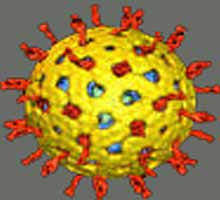
Rotavirus is the leading cause among children 3 to 15 months old and the most common cause of diarrhea in children under the age of 5 years. Rotavirus can also infect adults who are in close contact with infected children, but the symptoms in adults are milder. In the United States, rotavirus infections are most common from November to April.


Adenovirus occurs mainly in children under the age of 2 years. Of the 49 types of adenoviruses, one strain affects the gastrointestinal tract causing vomiting and diarrhea.


Caliciviruses cause infection in people of all ages. This family of viruses is divided into 4 types, the noroviruses being the most common and most responsible for infecting people. The noroviruses are usually responsible for epidemics of viral gastroenteritis and occur more frequently from October to April.

Astrovirus also infects primarily infants, young children, and the elderly. This virus is most active during the winter months.


Viral gastroenteritis is often mistakenly called “stomach flu,” but it is not caused by the influenza virus and it does not infect the stomach. Also, viral gastroenteritis is not caused by bacteria or parasites. For information about bacterial infections, please see the Bacteria and Foodborne Illness fact sheet from the National Institute of Diabetes and Digestive and Kidney Diseases (NIDDK).

Transmission

Viral gastroenteritis is highly contagious in poor hygienic conditions. People can infect with viruses through close contact by sharing their surroundings, food, drink, or eating utensils, or by eating food or drinking beverages that are contaminated with the virus. Door knobs are one of major source of spreading viruses and bacteria. Unwashed hands are a major source of transmission.

Noroviruses in particular, are typically spread by contact with stool or vomit of infected people and through contaminated water or food especially oysters from contaminated waters. Even after recovery, people may still be contagious, since the virus can be found in their stool for up to 2 weeks.

Treatment

Most cases of viral gastroenteritis resolve over time without any specific treatment. Antibiotics are not effective against viral infections. Your body needs fluids to function. Dehydration is the loss of fluids from the body. Dehydration can be caused by diarrhea, vomiting, excessive urination, excessive sweating, or by not drinking enough fluids because of nausea, difficulty swallowing, or loss of appetite.

In viral gastroenteritis, the combination of diarrhea and vomiting can cause dehydration. The symptoms of dehydration are
  • excessive thirst
  • dizziness or lightheadedness
  • decreased tears
  • dry mouth
  • little or no urine or dark yellow urine
  • severe weakness or lethargy
If you notice any of these symptoms, you should talk to your doctor. Mild dehydration can be treated by drinking liquids. Severe dehydration may require intravenous fluids and hospitalization. Untreated severe dehydration can be life threatening.

Children present special concerns. Because of their smaller body size, infants and children are at greater risk of dehydration from diarrhea and vomiting. Oral rehydration solutions such as Pedialyte can replace lost fluids, minerals, and salts.

Give infants and children oral rehydration solutions to replace fluids and lost electrolytes.
Gradually reintroduce food, starting with bland, easy-to-digest food, like toast, broth, apples, bananas, and rice.

Prevention

Prevention is the best way to avoid viral gastroenteritis by following the tips listed below. No vaccine is available for viral gastroenteritis with the exception of a newly released rotavirus vaccine called Rotateq. Otherwise, you can avoid infection by washing your hands thoroughly for 20 seconds after using the bathroom or changing diapers washing your hands thoroughly for 20 seconds before eating disinfecting contaminated surfaces such as counter tops and baby changing stations not eating or drinking foods or liquids that might be contaminated.

Things to remember:

For further information contact "The National Institute of Diabetes and Digestive and Kidney Diseases (NIDDK), through its Division of Digestive Diseases
  • The main symptoms are watery diarrhea and vomiting.
  • Viral gastroenteritis has no specific treatment; antibiotics are not effective against viruses. Treatment focuses on reducing the symptoms and preventing dehydration.
  • The symptoms of dehydration are excessive thirst, dry mouth, dark yellow urine or little or no urine, decreased tears, severe weakness or lethargy, and dizziness or lightheadedness.
  • Infants, young children, the elderly, and people with weak immune systems have a higher risk of developing dehydration due to vomiting and diarrhea.
  • People with viral gastroenteritis should rest, drink clear liquids, and eat easy-to-digest foods.
  • For infants and young children, oral rehydration solutions can replace lost fluids, minerals, and salts.
  • Avoid viral gastroenteritis by washing hands thoroughly after using the bathroom or changing diapers, disinfecting contaminated surfaces, and avoiding foods or liquids that might be contaminated.

Bowel Movement - Usual and Unusual

Digestion organism eliminates solid, semisolid or liquid waste material (feces) from the digestive tract via the anus. It is normal for a humans to expel feces with a varying frequency from a coups of times a day to a couple of times weekly. There is no rule for frequency of bowel movements, but the general range is from 3 times a day to 3 times a week. Less than 3 movements a week may indicate constipation, and more than 3 watery stools a day could indicate diarrhea.

Improved Bowel Movement

If you've ever had a out of routine bowel movement, you only need to worry after some diagnosis. A bowel movement should be soft and easy to pass, though some people may have harder or softer stools than others. Stool should be brown or golden brown, be formed, have a texture similar to peanut butter, and have a size and shape similar to a sausage.

Normal Bowel Movement

To come

Unusual Bowel Movement

  • White Bowel Movement ---------------------------- Not normal, consult HCP
  • Dark pown Bowel Movement --------------------- Might be normal but consult HCP
  • Yellow Bowel Movement --------------------------- Not normal, serious, consult HCP
  • Black Bowel Movement ---------------------------- Not normal, consult HCP
  • Green Bowel Movement --------------------------- Not normal, Disordered digestive system, consult HCP
  • Orange Bowel Movement ------------------------- Not normal, consult HCP
  • Thin Skinny Bowel Movement ------------------- Not normal, consult HCP
  • Stringy Bowel Movement-------------------------- Not normal but not serious, consult HCP
  • Mucus in Bowel Movement ---------------------- Not normal, might be serious, consult HCP immediatly
  • Slimy Oily Bowel Movement -------------------- Not normal, consult HCP
  • Smelly Bowel Movement ------------------------- Normal,
  • Large Bowel Movement --------------------------- Not normal, consult HCP
  • Small Bowel Movement --------------------------- Normal, but consult HCP
  • Frequent Bowel Movement ---------------------- Not normal if more than 5 times a day, consult HCP
  • Urgent Bowel Movement ------------------------- Normal, but consult HCP if more frequent

  • Anus Hurts after Bowel Movement ------------Not normal, consult HCP
  • Bowel Movement after Colonoscopy ---------Not normal, consult HCP
  • Pain During Bowel Movement ------------------Not normal, consult HCP
  • Blood in Bowel Movement ---------------------- Not normal, consult HCP
  • Burning Rectum Bowel Movement -----------Not normal, consult HCP

  • Normal Bowel Movement ---------------------
  • Bowel Movement for Newborns ---------------------
  • Bowel Movement for Infants ---------------------
  • Bowel Movement for Toddlers ---------------------
  • Bowel Movement for Adults ---------------------
  • Bowel Movement for Children ---------------------
  • Bowel Movement for Seniors ---------------------
  • Bowel Movement while Pregnant ---------------------
  • Bowel Movement and Colon Cleansing ---------------------

Normal Colors of Bowel Movement

Normal color of human feces is between light and dark shades of pown. The key factors like hydration, diet and atmosphere etc. cause a lot to the colors of human feces. In some situations, the color of the BM is not an indication of any dangerous ailment but it can be serious problem in some situations. People often mention color of human feces without giving attention to their overall health or body color.

Unusual Colors of Bowel Movement

There is not small range of colors for your fecal matter. Many unusual bowel movement colors indicate disturbance or serious problems in health of a human being. Some odd colors are given below.

  • Black
  • Clear
  • Dark
  • Green
  • Orange
  • Red
  • White
  • Yellow

Return Odd Bowel Movement Color to Normal

Odd bowel movement color is returned to a normal brownish color with the help of decreased stress, proper diet and hydration. This process also includes removal of undesired inflammations, virus activity, and bacteria. According to some physicians, consumption of butter, peanut, dark beer and chocolate in excess is also helpful.

Viral Gastroenteritis

Introduction

Viral gastroenteritis is an intestinal infection caused by several different viruses. Highly contagious, viral gastroenteritis is the second most common illness in the United States. It causes millions of cases of diarrhea each year.

Anyone can get viral gastroenteritis and most people recover without any complications. However, viral gastroenteritis can be serious when people cannot drink enough fluids to replace what is lost through vomiting and diarrhea—especially infants, young children, the elderly, and people with weak immune systems.

Symptoms

The main symptoms of viral gastroenteritis are watery diarrhea and vomiting. Other symptoms are headache, fever, chills, and abdominal pain. Symptoms usually appear within 4 to 48 hours after exposure to the virus and last for 1 to 2 days, though symptoms can last as long as 10 days.

Causes

The viruses that cause viral gastroenteritis damage the cells in the lining of the small intestine. As a result, fluids leak from the cells into the intestine and produce watery diarrhea. Four types of viruses cause most viral gastroenteritis.

  • Rotavirus is the leading cause among children 3 to 15 months old and the most common cause of diarrhea in children under the age of 5 years. Symptoms of rotavirus infection appear 1 to 2 days after exposure. Rotavirus typically causes vomiting and watery diarrhea for 3 to 8 days, along with fever and abdominal pain. Rotavirus can also infect adults who are in close contact with infected children, but the symptoms in adults are milder. In the United States, rotavirus infections are most common from November to April.

  • Adenovirus occurs mainly in children under the age of 2 years. Of the 49 types of adenoviruses, one strain affects the gastrointestinal tract causing vomiting and diarrhea. Symptoms typically appear 1 week after exposure. Adenovirus infections occur year round.

  • Caliciviruses cause infection in people of all ages. This family of viruses is divided into 4 types, the noroviruses being the most common and most responsible for infecting people. The noroviruses are usually responsible for epidemics of viral gastroenteritis and occur more frequently from October to April. Infected people experience vomiting and diarrhea, fatigue, headache, and sometimes muscle aches. The symptoms appear within 1 to 3 days of exposure.

  • Astrovirus also infects primarily infants, young children, and the elderly. This virus is most active during the winter months. Vomiting and diarrhea appear within 1 to 3 days of exposure.

Viral gastroenteritis is often mistakenly called "stomach flu," but it is not caused by the influenza virus and it does not infect the stomach.

Transmission

Viral gastroenteritis is highly contagious. The viruses are commonly transmitted by people with unwashed hands. People can get the viruses through close contact with infected individuals by sharing their food, drink, or eating utensils, or by eating food or drinking beverages that are contaminated with the virus. Noroviruses in particular, are typically spread to other people by contact with stool or vomit of infected people and through contaminated water or food—especially oysters from contaminated waters.

People who no longer have symptoms may still be contagious, since the virus can be found in their stool for up to 2 weeks after they recover from their illness. Also, people can become infected without having symptoms and they can still spread the infection.

Outbreaks of viral gastroenteritis can occur in households, child care settings, schools, nursing homes, cruise ships, camps, dormitories, restaurants, and other places where people gather in groups. If you suspect that you were exposed to a virus in one of these settings or by foods prepared on the premise of places such as a restaurant, deli, or bakery, you may want to contact your local health department, which tracks outbreaks.

Diagnosis

If you think you have viral gastroenteritis, you may want to see your doctor. Doctors generally diagnose viral gastroenteritis based on the symptoms and a physical examination. Your doctor may ask for a stool sample to test for rotavirus or to rule out bacteria or parasites as the cause of your symptoms. No routine tests are currently available for the other types of viruses.

Treatment

Most cases of viral gastroenteritis resolve over time without specific treatment. Antibiotics are not effective against viral infections. The primary goal of treatment is to reduce the symptoms, and prompt treatment may be needed to prevent dehydration.

Your body needs fluids to function. Dehydration is the loss of fluids from the body. Important salts or minerals, known as electrolytes, can also be lost with the fluids. Dehydration can be caused by diarrhea, vomiting, excessive urination, excessive sweating, or by not drinking enough fluids because of nausea, difficulty swallowing, or loss of appetite.

In viral gastroenteritis, the combination of diarrhea and vomiting can cause dehydration. The symptoms of dehydration are

  • excessive thirst
  • dry mouth
  • little or no urine or dark yellow urine
  • decreased tears
  • severe weakness or lethargy
  • dizziness or lightheadedness

If you notice any of these symptoms, you should talk to your doctor. Mild dehydration can be treated by drinking liquids. Severe dehydration may require intravenous fluids and hospitalization. Untreated severe dehydration can be life threatening.

Children present special concerns. Because of their smaller body size, infants and children are at greater risk of dehydration from diarrhea and vomiting. Oral rehydration solutions such as Pedialyte can replace lost fluids, minerals, and salts.

The following steps may help relieve the symptoms of viral gastroenteritis.

  • Allow your gastrointestinal tract to settle by not eating for a few hours.

  • Sip small amounts of clear liquids or suck on ice chips if vomiting is still a problem.

  • Give infants and children oral rehydration solutions to replace fluids and lost electrolytes.

  • Gradually reintroduce food, starting with bland, easy-to-digest food, like toast, broth, apples, bananas, and rice.

  • Avoid dairy products, caffeine, and alcohol until recovery is complete.

  • Get plenty of rest.

Prevention

Prevention is the best way to avoid viral gastroenteritis by following the tips listed below. No vaccine is available for viral gastroenteritis with the exception of a newly released rotavirus vaccine called Rotateq. The oral vaccine for infants aged 6 to 32 weeks was approved in February 2006 by the U.S. Food and Drug Administration. Otherwise, you can avoid infection by …

  • washing your hands thoroughly for 20 seconds after using the bathroom or changing diapers

  • washing your hands thoroughly for 20 seconds before eating

  • disinfecting contaminated surfaces such as counter tops and baby changing stations

  • not eating or drinking foods or liquids that might be contaminated

Hope through Research

The National Institute of Diabetes and Digestive and Kidney Diseases (NIDDK), through its Division of Digestive Diseases, supports basic and clinical research into gastrointestinal diseases, including epithelial cell injury in the gastrointestinal tract. New vaccines under development may decrease the risk of infection, especially among infants and young children.

Points to Remember

  • Viral gastroenteritis is a highly contagious infection of the intestines caused by one of several viruses.

  • Although sometimes called "stomach flu," viral gastroenteritis is not caused by the influenza virus and does not affect the stomach.

  • The main symptoms are watery diarrhea and vomiting.

  • Anyone can get viral gastroenteritis through unwashed hands, close contact with an infected person, or food and beverages that contain the virus.

  • Diagnosis is based on the symptoms and a physical examination. Currently only rotavirus can be rapidly detected in a stool test.

  • Viral gastroenteritis has no specific treatment; antibiotics are not effective against viruses. Treatment focuses on reducing the symptoms and preventing dehydration.

  • The symptoms of dehydration are excessive thirst, dry mouth, dark yellow urine or little or no urine, decreased tears, severe weakness or lethargy, and dizziness or lightheadedness.

  • Infants, young children, the elderly, and people with weak immune systems have a higher risk of developing dehydration due to vomiting and diarrhea.

  • People with viral gastroenteritis should rest, drink clear liquids, and eat easy-to-digest foods.

  • For infants and young children, oral rehydration solutions can replace lost fluids, minerals, and salts.

  • Avoid viral gastroenteritis by washing hands thoroughly after using the bathroom or changing diapers, disinfecting contaminated surfaces, and avoiding foods or liquids that might be contaminated.
Signs and symptoms

Gastroenteritis is called stomach flue bit it is not exactly same as influenza. Flu (influenza) affects your respiratory system, nose, throat and lungs. Gastroenteritis affects your intestines, causing signs and symptoms such as:

  • Watery, usually non-bloody diarrhea. Bloody diarrhea indicates serious condition.
  • Nausea, vomiting or both.
  • Abdominal cramps and pain.
  • Low-grade fever.
  • You're not able to keep liquids down for 24 hours.
  • You've been vomiting for more than two days.
  • You're vomiting blood.
  • Dehydrated. Signs of dehydration include excessive thirst, dry mouth, deep yellow urine or little or no urine, and severe weakness, dizziness or lightheadedness.
  • Blood in bowel movements.
  • Fever above 101 F.
  • Hasn't had a wet diaper in three hours
  • Has bloody stools or severe diarrhea
  • Has a sunken fontanel (the soft spot on the top of a baby's head)
  • Has a dry mouth or cries without tears
  • Is unusually sleepy, drowsy or unresponsive

Signs and symptoms may look within one to three days after real infection and may be mild to severe. These symptoms may last just one or two days, but normally they may persist as long as 10 days.

Because the symptoms are similar, it's easy to confuse viral diarrhea with diarrhea caused by bacteria such as salmonella and Escherichia coli (E. coli) or parasites such as giardia.