Viser opslag med etiketten Diarrhea in Children. Vis alle opslag

Treatment of Viral Gastroenteritis

Although no specific medicines exists for viral gastro, but Antibiotics have somewhat effective. But problem of antibiotics is that they do not kill viruses, they can only kill bacteria. Thus only useful in such cases where bacteria is the cause of illness.

Make sure that you give antibiotics to patient only in case of bacterial infection (instead of viral infection like rotavirus. In case of viral infection, antibiotics may have a number of side effects including developing resistance to antibiotics for antibiotics.

Medicines for vomiting and diarrhea have not much established benefits. They may even delay the healing process and prolong gastro-enteritis.

The most vital treatment for children in viral gastro is to make sure they continuously replenish sufficient fluids wasted through vomiting and diarrhea; because dehydration may develop serious even require hospital treatment. Immediately contact your health care provider, if any signs of dehydration appear. Use the following fluids and foods, if no signs of dehydration appear. Continuously watch for signs of dehydration. The aim is to give at least as much fluid as a normal child have.

Fluids

Replenishing the lost fluids through vomiting and diarrhea is the main treatment for gastro or any such disease that cause flush of fluids from the body. Do not stop oral re hydration even if the vomiting and diarrhea does not stop. Re hydration helps to prevent dehydration. ORS like Gastrolyte, Repalyte or Hydrolyte, available from your pharmacy, are the best choice. Even you can prepare an ORS at home with the following formula:-

  • One teaspoon of salt
  • One eight teaspoons of sugar
  • One liter 5 full cups (each cup about 200 ml.) of water. Water must be clean, filtered for drinking or boiled and then cooled.

If your child shows some problems in drinking ORS, some other safe substitutes are as follows:-

  • Diluted cordial 10 ml + 150 ml water
  • Diluted soft drink (e.g. lemonade) 50 ml + 150 ml water
  • Diluted fruit juice 50 ml + 150 ml water
Caution:
  • Undiluted drinks may complicate and boost diarrhea
  • Low-calorie drinks are not appropriate

Food

  • Try to give normal feed to child until the diarrhea has not settled.
  • Breastfeeding should be maintained, if possible, with additional fluids like ORS.
  • If reintroduction of a normal is not possible within two days, talk to a health care provider.
Diarrhea usually diminishes quite rapidly (five to eight days) and viral diarrhea may take a week more. The main treatment is to replace fluids lost through vomiting and diarrhea. Talk to your doctor or child health nurse if you are at all concerned about your child. Dehydration due to loss of fluids through vomiting and diarrhea can be dangerous and some children may need to be hospitalized for careful treatment.

Causes, Symptoms and Remedies of Acute Viral Diarrhea in Babies, Children, Adults and Old Peoples

Causes of Infant Diarrhea
  • Diarrhea in first 3 days of life: congenital diseases of liver, pancreas, biliary tract, small or large intestine.
  • Fever, vomiting, diarrhea: Rotavirus, rarely other microbes;
  • Mild diarrhea: overfeeding, neonatal drug withdrawal;
  • Skin rash, strain to vomiting (gagging), irritability, diarrhea: allergy to cow's milk or soy formula;
Remedies

Newborn normally have bowel movement 8-10 times a day.
Medications to treat diarrhea in adults can be dangerous for children.


Infant and Toddler Diarrhea


ACUTE DIARRHEA:

Fever, vomiting, diarrhea: Rotavirus; less commonly: bacteria, parasites, middle ear and urinary tract infections, intusussception, hemolytic-uremic syndrome;
mild diarrhea: newly introduced food, liquid starvation diet, food allergies, antibiotics.

CHRONIC DIARRHEA:
  • Diarrhea with undigested food particles, the toddler looks healthy: excessive drinking of fruit juices (toddler's diarrhea);
  • Constipation, alternating with diarrhea: post-infectious irritable bowel syndrome;
  • Coughing, hives, face flushing, watery/bloody diarrhea: food allergy;
  • Skin rash, underweight, watery/bloody diarrhea: parasites, celiac disease, autoimmune enteropathy; rarely: Crohn's disease, ulcerative colitis, tuberculosis, AIDS, cystic fibrosis, congenital diseases of biliary tract, liver, pancreas or intestine, surgery of small intestine, marasmus, kwashiorkor, zinc deficiency.
  • Diarrhea fakedby child's caregiver (usually mother): factitious diarrhea, Munchausen by Proxy Syndrome (1).
Diarrhea in Older Children and Adults

ACUTE DIARRHEA:
  • Sudden diarrhea: bacteria; rare: pesticides or heavy metals poisoning, Pseudomembranous colitis;
  • Mild (recurrent) diarrhea: stress, medications, bowel investigation or surgery, parasites, appendicitis, diarrhea in pregnancy;
  • Diarrhea after eating, vomiting: food poisoning (staph, mushrooms, tropical fish, alcohol), plant poisoning.

CHRONIC DIARRHEA:
  • Diarrhea after eating: IBS, lactose intolerance, food allergies, rapid gastric emptying (Dumping syndrome), carcinoid syndrome;
  • Mild chronic diarrhea: fructose malabsorption, diabetes, alcoholism, pregnancy, rare: collagenous/lymphocytic colitis, neuroendocrine tumors;
  • Weight loss, bloody diarrhea, recurrent fever, skin rash: Crohn's disease, ulcerative colitis, typhoid fever, chronic infection (tuberculosis, AIDS, HSV, CMV);
  • Weight loss, bloating, pale loose stool: malabsorption due to gallbladder, liver or pancreatic disease, Crohn's disease, celiac disease, small intestinal bacterial overgrowth, chronic infection, or laxative abuse; rare: tropical sprue, Whipple disease, intestinal lymphoma, systemic sclerosis, amyloidosis.
  • White coated tongue, fatigue, sugar craving, anal itching: candida (see other candida symptoms);
  • Diarrhea after travel: parasites,tropical sprue;
  • Constipation/diarrhea in children: encopresis, post-infectious irritable bowel syndrome;
  • Weakness, dizziness, salt craving: dehydration or Addison's disease;
  • Irritability, sweating, bulging eyes, enlarged thyroid, weight loss, diarrhea: hyperthyroidism;
  • Leg swelling, mucous diarrhea: protein-losing enteropathy (in ulcerations of the esophagus, stomach or duodenum, Crohn's disease, intestinal lymphangiectasia, tuberculosis, lymphoma, congestive heart failure, carcinoid syndrome etc), (2).
Typical Causes of Diarrhea in Old People

CHRONIC DIARRHEA:
  • Constipation and/or diarrhea: diverticulitis, ischemic colitis, partial obstruction of the colon or small intestine (fecal impaction, polyps, cancer, adhesions);
  • Pins and needles sensations in hands and feet, early satiety, diarrhea, blurred vision, difficult swallowing, urine retention/incontinence, fainting, etc: autonomic neuropathy (in diabetes, alcoholism, Parkinson's disease, vit B12/folate deficiency, Sjögren syndrome, SLE, amyloidosis);
  • Diarrhea after eating: carcinoid, VIPoma;
  • Mild constant diarrhea: small intestinal bacterial overgrowth, intestinal lymphoma, systemic sclerosis.
Abdominal Pain and Diarrhea

Exact location of abdominal pain may help in finding the cause of diarrhea.
  • Upper right quadrant: gallbladder, biliary tract, liver disease; rarely: duodenal, pancreatic disease;
  • Upper middle abdomen: gastric, duodenal, pancreatic disease;
  • Upper left quadrant (rarely): gastric, pancreatic disease;
  • Lower right quadrant: Crohn's disease, appendicitis;
  • Lower left quadrant: Ulcerative colitis, diverticulitis, ischemic colitis; rarely: colorectal cancer.
How Can a Doctor Find the Cause of Diarrhea?

History. Expect these questions from a doctor :
  • When did diarrhea start?
  • Color and consistency of the stool, any blood or mucus?
  • Is diarrhea related to meals, stress, or daytime? Any recent travel in tropics?
  • Fever, abdominal pain or other symptoms?
  • Diet, alcohol intake?
  • Chronic disease, medications, recent investigation or surgery?
  • Family members: anyone has diarrhea or chronic disease?
Physical examination. Doctor will look for signs of underlying disease:
  • Skin: rash, jaundice, pale skin, scaling, turgor;
  • Abdomen: distension or lumps, enlarged liver or spleen, painful spots;
  • Neck: enlarged thyroid, lymph nodes;
  • Rectal examination: internal hemorrhoids, polyps, inflamed skin around the anus, fistula.

Causes of Acute Diarrhea

Definition of Acute Diarrhea
  • Diarrhea means having over three loose bowel movements a day.
  • Acute (Latin acutus = sharp, pointed) diarrhea, by definition, lasts less than 3 weeks (1).

Causes of Acute Diarrhea

A) Acute INFECTIOUS Diarrhea
  • Bacterial diarrhea usually occurs in food poisoningdue to infection with bacteria like E. coli or salmonella.
  • Parasitic diarrhea may be due to intestinal worms, or one-cell parasiteslike Entamoeba hystolytica, or giardia.
  • Viral diarrhea mainly affect small children in kinder-gartens due to stool-to-mouth infection from other children, or (in poor countries) due to infection by water, contaminated by rotavirus.

B) Acute NON-INFECTIOUS Diarrhea
  • Food allergies may affect children or adults. Main causes are wheat, eggs, cow milk, soy, fish, shellfish, peanuts, and tree-nuts, but can be virtually any food.
  • Fish poisoning. Both ciguatera poisoning by big tropical fish like barracuda or meckerel, and scombroid poisoning by non-properly stored fish are common.
  • Psychic stress may cause sudden diarrhea.
  • Antibiotic-associated diarrhea may appear few days or several weeks after start of treatment with antibiotics by mouth.
  • Medications like laxatives or magnesium antacids stimulate bowel motility.
  • Chemotherapy and irradiation damage cells in intestinal lining. 
  • Mushrooms (even non-poisonous), and poisonous plants like foxglove or oleander may cause severe diarrhea.
  • Pesticides, ingested or inhaled may cause severe diarrhea.
  • Ingestion of heavy metals like arsenic or mercury may cause severe diarrhea.
  • Runner's diarrhea often affects long-distance runners.
  • Diarrhea may appear in women before child-birth.

Viral Gastroenteritis

Introduction

Viral gastroenteritis is an intestinal infection caused by several different viruses. Highly contagious, viral gastroenteritis is the second most common illness in the United States. It causes millions of cases of diarrhea each year.

Anyone can get viral gastroenteritis and most people recover without any complications. However, viral gastroenteritis can be serious when people cannot drink enough fluids to replace what is lost through vomiting and diarrhea—especially infants, young children, the elderly, and people with weak immune systems.

Symptoms

The main symptoms of viral gastroenteritis are watery diarrhea and vomiting. Other symptoms are headache, fever, chills, and abdominal pain. Symptoms usually appear within 4 to 48 hours after exposure to the virus and last for 1 to 2 days, though symptoms can last as long as 10 days.

Causes

The viruses that cause viral gastroenteritis damage the cells in the lining of the small intestine. As a result, fluids leak from the cells into the intestine and produce watery diarrhea. Four types of viruses cause most viral gastroenteritis.

  • Rotavirus is the leading cause among children 3 to 15 months old and the most common cause of diarrhea in children under the age of 5 years. Symptoms of rotavirus infection appear 1 to 2 days after exposure. Rotavirus typically causes vomiting and watery diarrhea for 3 to 8 days, along with fever and abdominal pain. Rotavirus can also infect adults who are in close contact with infected children, but the symptoms in adults are milder. In the United States, rotavirus infections are most common from November to April.

  • Adenovirus occurs mainly in children under the age of 2 years. Of the 49 types of adenoviruses, one strain affects the gastrointestinal tract causing vomiting and diarrhea. Symptoms typically appear 1 week after exposure. Adenovirus infections occur year round.

  • Caliciviruses cause infection in people of all ages. This family of viruses is divided into 4 types, the noroviruses being the most common and most responsible for infecting people. The noroviruses are usually responsible for epidemics of viral gastroenteritis and occur more frequently from October to April. Infected people experience vomiting and diarrhea, fatigue, headache, and sometimes muscle aches. The symptoms appear within 1 to 3 days of exposure.

  • Astrovirus also infects primarily infants, young children, and the elderly. This virus is most active during the winter months. Vomiting and diarrhea appear within 1 to 3 days of exposure.

Viral gastroenteritis is often mistakenly called "stomach flu," but it is not caused by the influenza virus and it does not infect the stomach.

Transmission

Viral gastroenteritis is highly contagious. The viruses are commonly transmitted by people with unwashed hands. People can get the viruses through close contact with infected individuals by sharing their food, drink, or eating utensils, or by eating food or drinking beverages that are contaminated with the virus. Noroviruses in particular, are typically spread to other people by contact with stool or vomit of infected people and through contaminated water or food—especially oysters from contaminated waters.

People who no longer have symptoms may still be contagious, since the virus can be found in their stool for up to 2 weeks after they recover from their illness. Also, people can become infected without having symptoms and they can still spread the infection.

Outbreaks of viral gastroenteritis can occur in households, child care settings, schools, nursing homes, cruise ships, camps, dormitories, restaurants, and other places where people gather in groups. If you suspect that you were exposed to a virus in one of these settings or by foods prepared on the premise of places such as a restaurant, deli, or bakery, you may want to contact your local health department, which tracks outbreaks.

Diagnosis

If you think you have viral gastroenteritis, you may want to see your doctor. Doctors generally diagnose viral gastroenteritis based on the symptoms and a physical examination. Your doctor may ask for a stool sample to test for rotavirus or to rule out bacteria or parasites as the cause of your symptoms. No routine tests are currently available for the other types of viruses.

Treatment

Most cases of viral gastroenteritis resolve over time without specific treatment. Antibiotics are not effective against viral infections. The primary goal of treatment is to reduce the symptoms, and prompt treatment may be needed to prevent dehydration.

Your body needs fluids to function. Dehydration is the loss of fluids from the body. Important salts or minerals, known as electrolytes, can also be lost with the fluids. Dehydration can be caused by diarrhea, vomiting, excessive urination, excessive sweating, or by not drinking enough fluids because of nausea, difficulty swallowing, or loss of appetite.

In viral gastroenteritis, the combination of diarrhea and vomiting can cause dehydration. The symptoms of dehydration are

  • excessive thirst
  • dry mouth
  • little or no urine or dark yellow urine
  • decreased tears
  • severe weakness or lethargy
  • dizziness or lightheadedness

If you notice any of these symptoms, you should talk to your doctor. Mild dehydration can be treated by drinking liquids. Severe dehydration may require intravenous fluids and hospitalization. Untreated severe dehydration can be life threatening.

Children present special concerns. Because of their smaller body size, infants and children are at greater risk of dehydration from diarrhea and vomiting. Oral rehydration solutions such as Pedialyte can replace lost fluids, minerals, and salts.

The following steps may help relieve the symptoms of viral gastroenteritis.

  • Allow your gastrointestinal tract to settle by not eating for a few hours.

  • Sip small amounts of clear liquids or suck on ice chips if vomiting is still a problem.

  • Give infants and children oral rehydration solutions to replace fluids and lost electrolytes.

  • Gradually reintroduce food, starting with bland, easy-to-digest food, like toast, broth, apples, bananas, and rice.

  • Avoid dairy products, caffeine, and alcohol until recovery is complete.

  • Get plenty of rest.

Prevention

Prevention is the best way to avoid viral gastroenteritis by following the tips listed below. No vaccine is available for viral gastroenteritis with the exception of a newly released rotavirus vaccine called Rotateq. The oral vaccine for infants aged 6 to 32 weeks was approved in February 2006 by the U.S. Food and Drug Administration. Otherwise, you can avoid infection by …

  • washing your hands thoroughly for 20 seconds after using the bathroom or changing diapers

  • washing your hands thoroughly for 20 seconds before eating

  • disinfecting contaminated surfaces such as counter tops and baby changing stations

  • not eating or drinking foods or liquids that might be contaminated

Hope through Research

The National Institute of Diabetes and Digestive and Kidney Diseases (NIDDK), through its Division of Digestive Diseases, supports basic and clinical research into gastrointestinal diseases, including epithelial cell injury in the gastrointestinal tract. New vaccines under development may decrease the risk of infection, especially among infants and young children.

Points to Remember

  • Viral gastroenteritis is a highly contagious infection of the intestines caused by one of several viruses.

  • Although sometimes called "stomach flu," viral gastroenteritis is not caused by the influenza virus and does not affect the stomach.

  • The main symptoms are watery diarrhea and vomiting.

  • Anyone can get viral gastroenteritis through unwashed hands, close contact with an infected person, or food and beverages that contain the virus.

  • Diagnosis is based on the symptoms and a physical examination. Currently only rotavirus can be rapidly detected in a stool test.

  • Viral gastroenteritis has no specific treatment; antibiotics are not effective against viruses. Treatment focuses on reducing the symptoms and preventing dehydration.

  • The symptoms of dehydration are excessive thirst, dry mouth, dark yellow urine or little or no urine, decreased tears, severe weakness or lethargy, and dizziness or lightheadedness.

  • Infants, young children, the elderly, and people with weak immune systems have a higher risk of developing dehydration due to vomiting and diarrhea.

  • People with viral gastroenteritis should rest, drink clear liquids, and eat easy-to-digest foods.

  • For infants and young children, oral rehydration solutions can replace lost fluids, minerals, and salts.

  • Avoid viral gastroenteritis by washing hands thoroughly after using the bathroom or changing diapers, disinfecting contaminated surfaces, and avoiding foods or liquids that might be contaminated.

Diarrhea - Advice

Of the childhood diseases parents must deal with, diarrhea is one of the least pleasant, especially with a child in diapers. Unfortunately, it is among the most common. With an understanding of the mechanisms of diarrhea and the appropriate treatment, we can minimize our children's discomfort and our own custodial chores.

Diarrhea, defined as both frequent and watery stools, is most often caused by a gastro-intestinal viral infection. Certainly there are other causes, including bacterial infections, parasitic infections, food intolerance, food allergies, bowel functional problems and other inflammatory conditions. The viral, bacterial and parasitic forms are contagious, which is why, just as in other infectious diseases, good hand-washing, particularly after using sanitary facilities, is imperative.

Associated symptoms, such as persistent fever, prolonged diarrhea (over 7 days despite proper therapy) and weight loss, are suggestive of a process other than simple viral diarrhea. Bacterial and parasitic infections require specific laboratory testing and prescription therapy. Although food intolerance, food allergies, bowel functional problems (e.g., Irritable Bowel Syndrome and constipation) and inflammatory conditions (regional enteritis and ulcerative colitis) are often associated with diarrhea, these specific medical conditions require specialized therapy that is individualized to the patient by their personal physician. That management is beyond the scope of this article. Any suspicion that these conditions are present should trigger a visit to the child's doctor.

The viruses that cause gastrointestinal upset are typically acquired directly from another human. These viruses enter the body through the mouth, eyes or nose either by respiratory secretions or from touching the face with unclean hands. Recent reports have identified the water supply on some cruise ships as a source of outbreaks of shipboard diarrhea. Fever and cold symptoms are commonly associated with these infections. This differs from parasitic infections, which are devoid of cold symptoms and fever, or bacterial infections, which may be associated with fever, but not cold symptoms. Bloody loose stools are otherwise more suggestive or non-viral causes of the diarrhea. Of note is that cancer is almost never a cause of bloody stools in children. Bacterial, parasitic, inflammatory and mechanical causes (constipation or benign polyps) are the things that should come to mind first.

Bacterial enteritis is acquired by ingestion of contaminated food or water. Responsibility for outbreaks of certain enteral bacterial infections has been attributed to nearly every food group from salad and milk products to meat and vegetables, especially when stored or washed improperly. Whether here or abroad, be sure your restaurant food is served and eaten while hot and freshly cooked and avoid partaking of food from curbside vendors (even in the U.S.) because of the uncertainty of the cart heating unit being able to maintain temperature of the food at a level that kills bacteria. Poultry, especially chicken eggs and turkey, are known common carriers of salmonella. Some authorities recommend not rinsing the Thanksgiving turkey before cooking it, since you would risk splashing salmonella all over the food preparation area. Hand washing after handling chicken egg shells (or after handling pet amphibians) will also help avoid contamination. Avoid raw egg products (some Caesar salad dressings). Typhoid vaccine is available for prevention of salmonella infections in travelers to countries where this infection is prevalent.

Travelers to developing countries and campers are at increased risk for parasitic, as well as bacterial, intestinal infections. In countries that do not have sanitary drinking water supply systems (especially common in rural areas), waste water may contaminate drinking water. In these situations, it is best to drink only commercially bottled carbonated beverages or water. Campers may wish to carry iodine pills to sanitize ground water for drinking. Alternatively and more effectively, camping suppliers can provide small portable water pumps, which filter out all infectious organisms. Vigorous boiling for one minute eliminates parasitic and bacterial organisms, but may not kill all viruses.

The mainstay of management of viral diarrhea is dietary. Fluid replacement is critical, especially in the young infant. There is no fluid that particularly stops diarrhea, but there are liquids that will not exacerbate it. Electrolyte solutions, such as Pedialyte®, Lytren®, Kaolectrolyte® and Gerber Liquilytes Oral Maintenance Solution® are all appropriate, either in liquid or freeze push-pop form, depending on the age of the child. Older children with diarrhea often resort to sports drinks, such as Gatorade® or Powerade® for their fluid and electrolyte replacement. Although supported by some studies, fruit juice is usually not recommended in this situation because it tends to be laxative. Cow milk products are not recommended because of four factors:

The dissolved mineral content (solute load) causes an obligatory urinary fluid loss which may compromise the child's fluid balance further
Cow milk sugar, called lactose, is difficult to digest in the presence of a viral enteritis because the necessary enzyme, lactase, is not being produced during and after the illness (Cow milk products should be avoided for at least three days or longer after a viral intestinal insult)
Cow milk protein may not be well digested in the presence of a viral enteritis
Conventional belief holds that nasopharyngeal mucus becomes thicker after ingestion of milk (there is currently no solid scientific evidence to prove or disprove this supposition)

Occasionally, rice or soy beverages are recommended for children who need an enhanced calorie intake or who refuse other liquids. When the child exhibits a desire to eat solid foods, the usual initial offerings consist of foods that are naturally constipating: Bananas, Rice, Apples and Toast (called the BRAT diet). Fruits other than bananas and apples are laxative. Toast represents starchy foods, such as bread, cake, cracker, pasta, potatoes, etc. Vegetables and meats are neither harmful during diarrhea nor helpful in making the stool quality less uncomfortable.

In the occasional child whose diarrhea is very frequent and very watery, a plant extract called attapulgite, sold under the names of Kaopectate® and Diasorb®, will help make the stool less frequent and less watery. (These brands also market a product containing bismuth subsalicylate. We do NOT recommend these for children.) Attapulgite is not absorbed and there is no toxicity associated with it. The same brands, however, market other ingredients under similar brand names, so care should be taken to read the label before administering these preparations to a child. Note that these preparations do not cure an intestinal viral illness. Only time and supportive care can accomplish this goal. We do not recommend agents that inhibit intestinal motility (e.g., Lomotil®, paragoric or Immodium®) to treat viral diarrhea. These agents can make a child more lethargic and lead to accumulation of the diarrhea in the intestine, which allows enhanced absorption of bacterial toxins. They appear to work only by hiding the diarrhea from the child's caretaker. Custodial care of the infant in this situation includes prevention of diaper rash by application of a topical diaper rash cream (e.g., Desitin®, A and D Ointment®, Diaperene®, J&J Ointment®, Balmex®, etc.).

If any of the warning signs mentioned in this article appear during the course of your child's diarrhea, you should consult with your child's doctor. In uncomplicated viral diarrhea, as long as you administer adequate fluid intake, the process will eventually end.

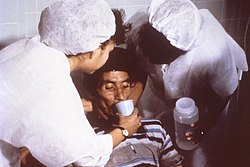
Managing Dehydration in Children

Gastroenteritis, or "gastro" in short form, is a common infection of stomach and bowel that is usually associated with vomiting and diarrhoea. In most cases it runs its own course over several days. However, it can be a serious condition if the fluid loss is severe enough to cause dehydration; this is more likely to occur in the elderly and the very young. Mostly gastroenteritis is due to viral infections. Around half of the cases caused by rotavirus. Although some other bacteria like Campylobacter may cause gatroenteritis.
Cause of Gastroenteritis

In most cases the precise infective agent is not identified. It is only when symptoms are persisting that stools are sent for microscopy and culture in the laboratory.

Symptoms
The main symptoms of are vomiting, diarrhoea and cramping abdominal pain. Sometimes a fever will also be present. In more severe cases, signs of dehydration may appear; a young child may look floppy and pale and the urine output may be reduced. These signs mean that urgent medical assessment and treatment are required.
Other conditions can mimic gastroenteritis. Food poisoning is caused by bacterial contamination of food and it may cause severe vomiting and diarrhoea. Often several people who have eaten the same food are affected. If diarrhoea is not settling, stools are sent for culture.

Remedy
Usually gastroenteritis settles without specific treatment over a few days, although the diarrhoea may last several days longer. Because of the transient intolerance to sugars that often accompanies gastro, dairy products and fatty foods are best avoided for the first day or two. Dry biscuits, toast, clear soups, and foods like boiled rice and potato may be tried. However, adequate fluid intake is the main concern.

Most of these cases clear without treatment. Early appendicitis and other acute abdominal conditions can also look like gastroenteritis. Persistent pain and localized tenderness should suggest that something more than gastroenteritis may be responsible.
Treatment and Care

In babies replacement of fluid losses is vitally important. Whilst it is preferable to continue with breastfeeding and bottlefeeding, top-ups with oral rehydration fluid are often required. Gastrolyte is one of several excellent oral rehydration fluids available from the chemist. An alternative fluid supplement can be prepared using flat lemonade diluted to one fifth strength with boiled water. Undiluted lemonade, cordials and fruit juices should never be used because they can aggravate diarrhoea and cause dehydration. Medications to stop vomiting and diarrhoea should not be used in children; their absorption is unpredictable and they may make matters worse.